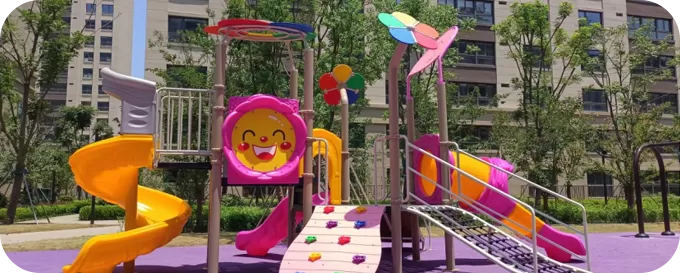

Choosing outdoor playground equipment for schools is not only about selecting a slide or a climbing frame from a catalog. A school playground needs to support daily use, age-appropriate play, safety planning, outdoor durability, budget control, and long-term maintenance.
For kindergartens, primary schools, international schools, child care centers, and educational projects, the playground is often one of the most active outdoor spaces on campus. Children use it during breaks, physical activity sessions, after-school programs, and outdoor learning time. That is why a school playground should be planned carefully from the beginning.
As a professional playground equipment manufacturer in Wenzhou, China, Zhengzheng Risheng Amusement Equipment Co., Ltd., also known as ZZRS Playground, provides customized outdoor playground equipment for schools, kindergartens, parks, communities, resorts, and commercial projects worldwide.
This guide explains the main points schools should consider before choosing outdoor playground equipment, including age group planning, materials, safety zones, budget control, custom design, installation, and manufacturer support.
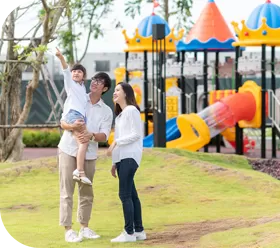
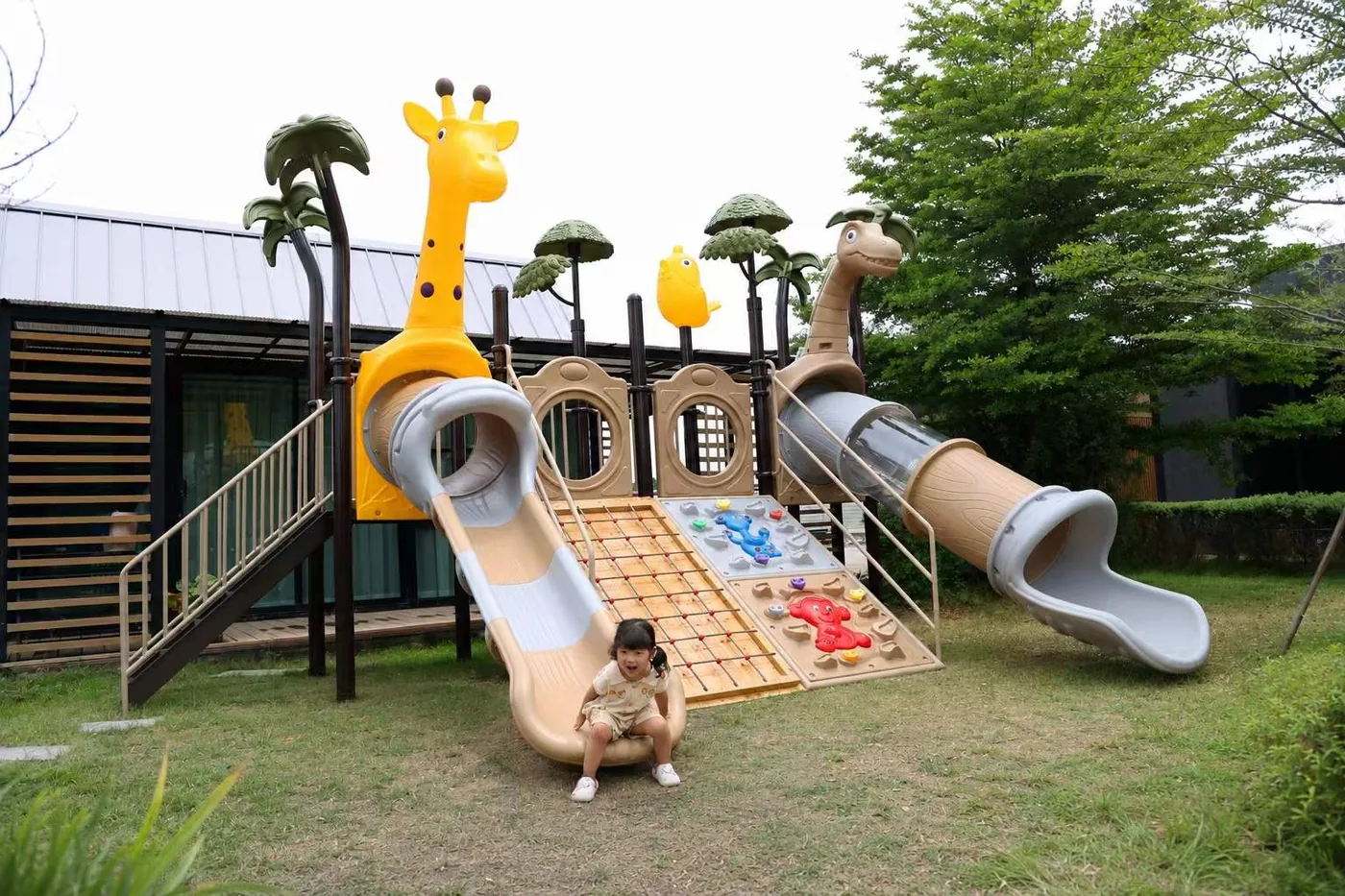 Custom outdoor playground equipment for schools, kindergartens, and commercial play projects.
A school playground is different from a small backyard play set. It usually serves many children every day and must fit the actual site conditions of the campus. Before choosing equipment, schools should confirm the available space, ground condition, entrance and exit routes, nearby buildings, drainage, walking paths, and safety boundaries.
Good planning helps avoid common problems such as overcrowded equipment, unsafe slide exits, insufficient fall zones, poor traffic flow, and difficult maintenance. For schools, the playground is not only a place for children to play. It is also part of the outdoor learning environment and daily activity space.
For example, a kindergarten outdoor playground may need lower platforms, smaller slides, soft colors, simple climbing elements, and more interactive play panels. A primary school playground may need more challenging climbing, balancing, rope activities, and stronger structures for frequent use.
If the site serves mixed age groups, the playground can be divided into separate zones. A toddler area, main play structure, climbing area, swing area, and open activity space can work together to create a safer and more practical outdoor playground.
Before starting the design, schools can prepare the following information:
Site size and shape
Photos or videos of the playground area
Target age group
Expected number of children
Preferred play functions
Budget range
Ground material requirements
Any local safety or installation requirements
With this information, a playground manufacturer can provide a more accurate layout and equipment recommendation.
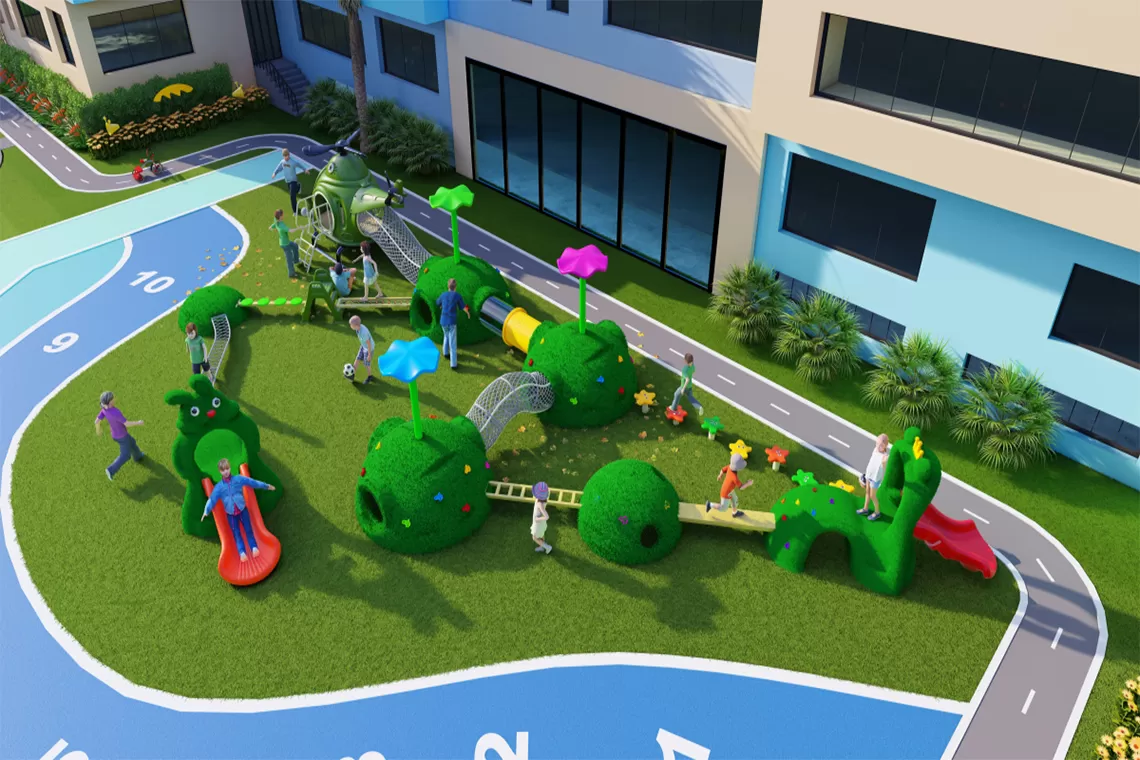
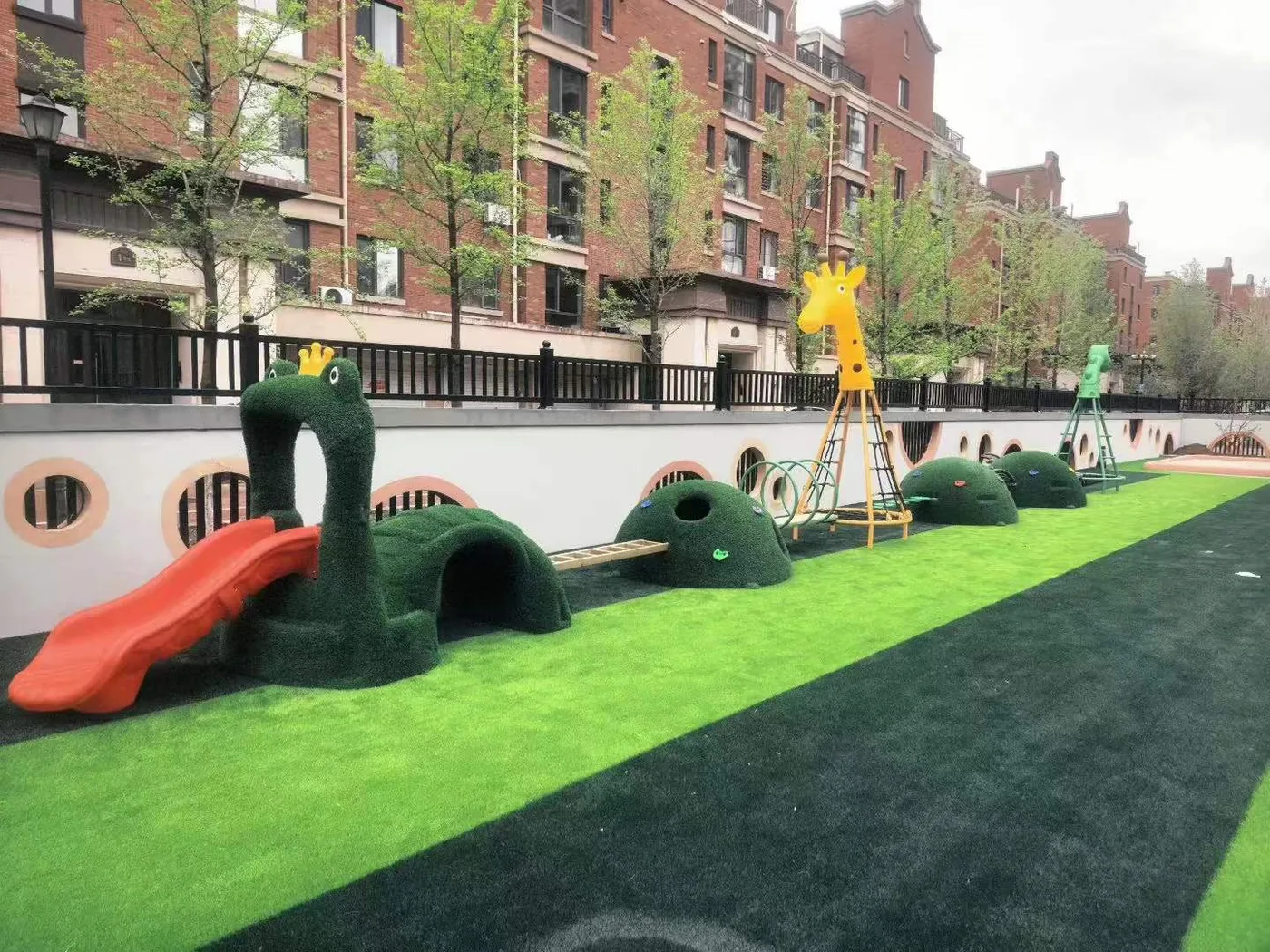 A school playground should be planned according to age group, site size, safety zones, and daily use.
Age group is one of the most important factors in school playground design. Children at different ages have different movement abilities, risk awareness, and play preferences. A playground for younger children should not use the same platform height, climbing difficulty, or activity route as a playground for older children.
For younger children, usually aged 2 to 6, the playground should focus on low platforms, gentle slides, crawl tunnels, pretend play elements, interactive panels, and simple climbing. The purpose is to help children develop balance, coordination, social interaction, and confidence through safe and manageable activities.
For older children, usually aged 5 to 12, the playground can include higher platforms, climbing nets, rope bridges, tube slides, spiral slides, balance beams, and physical challenge elements. These functions create more active play value and help children develop strength, coordination, and problem-solving skills.
For schools with a wide age range, it is better to plan different play areas instead of using one single structure for all children. Different zones can reduce conflict between younger and older children and make the playground more comfortable for daily use.
A well-planned school playground can include:
A low-height play area for younger children
A main play structure for general use
A climbing and physical challenge zone
A swing or balance area
An open activity area
Resting or waiting space for teachers and children
The clearer the age group is, the easier it is to choose the right school playground equipment.
Outdoor school playground equipment needs to withstand sunlight, rain, temperature changes, and frequent daily use. Material selection directly affects durability, maintenance, and long-term cost.
Common materials for commercial outdoor playground equipment include galvanized steel pipes, powder-coated metal parts, HDPE panels, LLDPE plastic slides, stainless steel slides, ropes, nets, and anti-UV plastic components.
For outdoor use, metal structures should be treated to improve corrosion resistance. Plastic parts should have good color stability, impact resistance, and weather resistance. Platforms and steps should consider anti-slip surfaces. Fasteners and connection parts also need to match the project environment, especially in coastal or humid areas.
Schools should not judge playground quality only by appearance. A bright design may look attractive, but structure strength, material thickness, surface treatment, safety spacing, and installation quality are equally important.
When comparing different playground equipment suppliers, schools can check these material details:
Main post diameter and thickness
Platform material and anti-slip treatment
Plastic panel material
Slide material
Surface coating process
Fastener material
Rope and net strength
Outdoor weather resistance
Maintenance requirements
ZZRS Playground supports customized material solutions according to the project type, climate, expected usage, and budget. For school playground projects, we help clients balance appearance, durability, safety planning, and cost control.
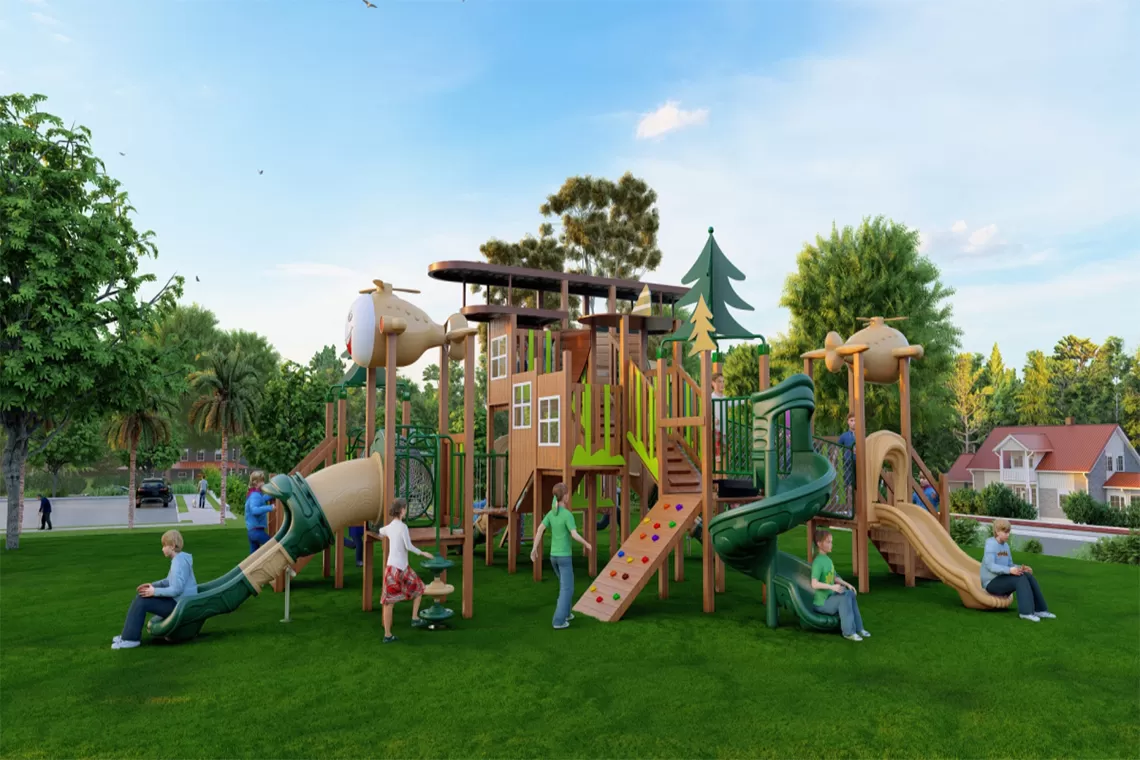
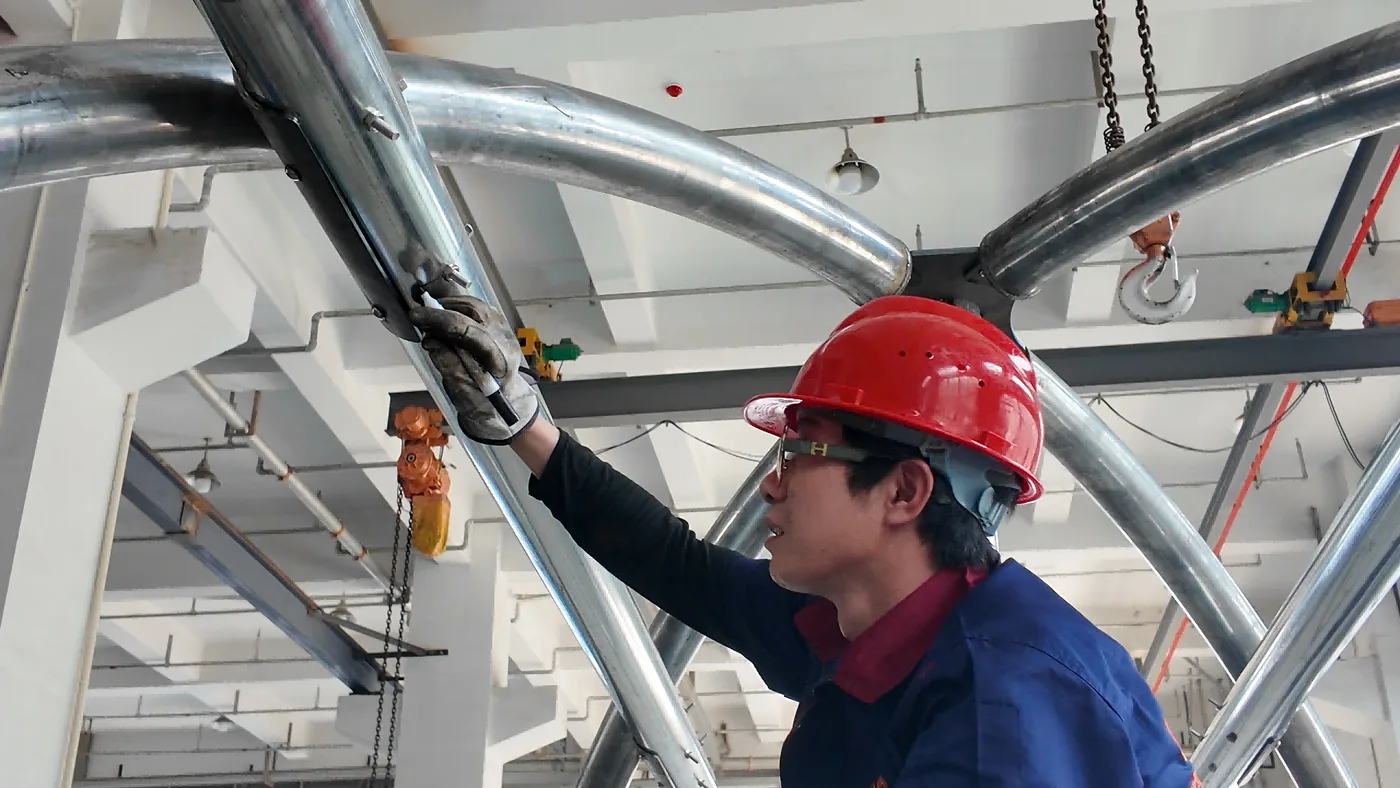 Outdoor playground equipment should consider weather resistance, structure strength, and long-term maintenance.
Safety planning is a key part of school playground projects. When choosing outdoor playground equipment, schools need to consider fall height, safety distance, platform protection, guardrails, slide exit areas, swing movement zones, and ground surfacing.
For international projects, playground safety standards such as EN1176 and ASTM are often used as important references. These standards help guide the planning of playground structures, fall zones, openings, barriers, and layout safety.
Ground surfacing should be selected according to the equipment height and local requirements. Common options include EPDM rubber flooring, rubber tiles, artificial grass with shock pads, sand, or engineered wood fiber. For many schools and kindergartens, EPDM is commonly used because it can provide a clean, colorful, and impact-absorbing surface when installed properly.
The layout should also avoid conflict between different activity areas. Slide exits should not face main walkways. Swing areas need enough front and back space. Climbing zones should have suitable fall areas. Equipment for younger children should be separated from more challenging activities when possible.
A good playground design is not only attractive in renderings. It should be practical and safe for daily school use.
Important safety planning points include:
Confirm the maximum fall height
Reserve enough safety zones around equipment
Keep slide exits away from walking paths
Separate swing areas from main traffic routes
Choose suitable safety surfacing
Avoid overcrowded equipment layout
Match platform height with age group
Check guardrails, openings, and climbing difficulty
For school playgrounds, safety planning should be considered from the first layout stage, not added only after the equipment is selected.
A school playground should provide more than one type of play. Children need different activities to develop movement skills, social skills, imagination, and confidence.
Common school playground functions include:
Slides
Climbing nets
Rope bridges
Crawl tunnels
Balance beams
Interactive panels
Observation platforms
Low climbing walls
Swing sets
Spring riders
Physical training elements
Open activity areas
For kindergartens, equipment can include more role-play panels, crawl tunnels, small slides, and simple climbing routes. For primary schools, the design can include rope climbing, larger slides, bridges, balance equipment, and more active movement challenges.
The design should match the way the school will use the space. Some schools need a compact playground for limited campus areas. Some schools want a larger activity zone for many children. Some projects require a themed design that matches the school brand, landscape, or teaching environment.
Custom playground equipment can help schools make better use of irregular spaces, narrow areas, rooftops, courtyards, and existing outdoor activity zones.
For example, a compact school playground can focus on a modular structure with slides, climbing, and interactive panels. A larger school playground can include multiple play zones, such as a main play structure, climbing zone, swing area, sports activity area, and open running space.
The key is not to add as many functions as possible. The key is to choose functions that fit the age group, site size, daily use, and project budget.
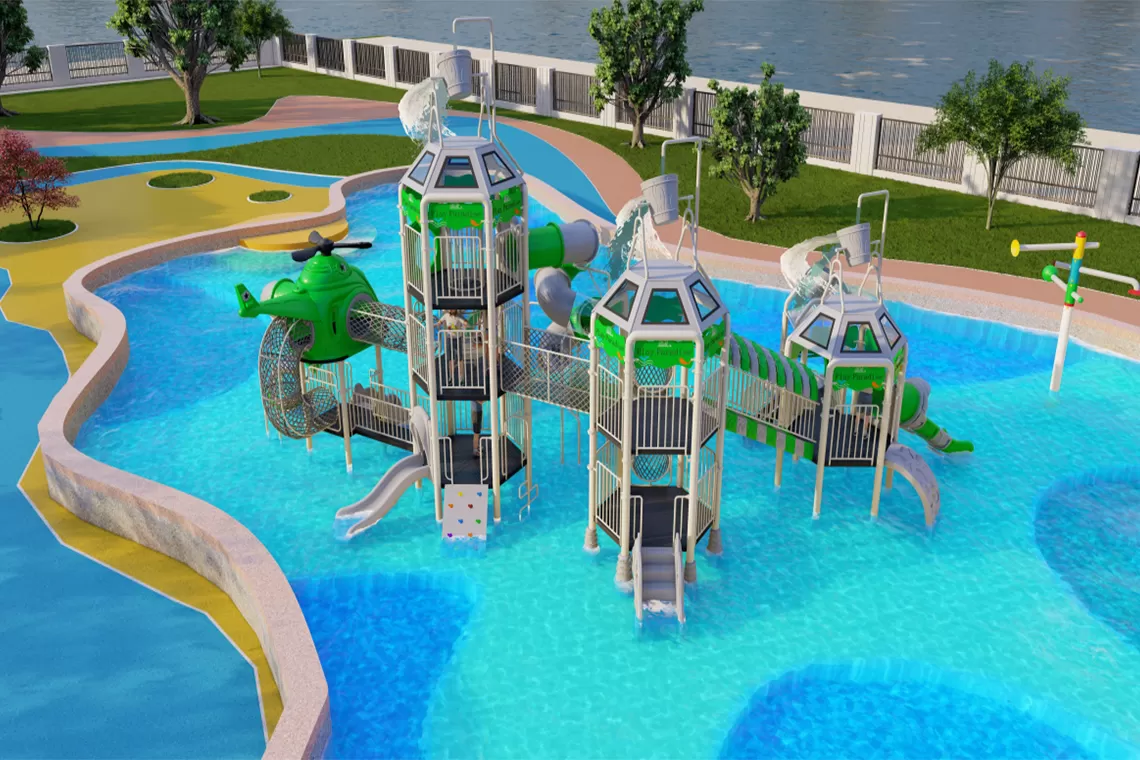
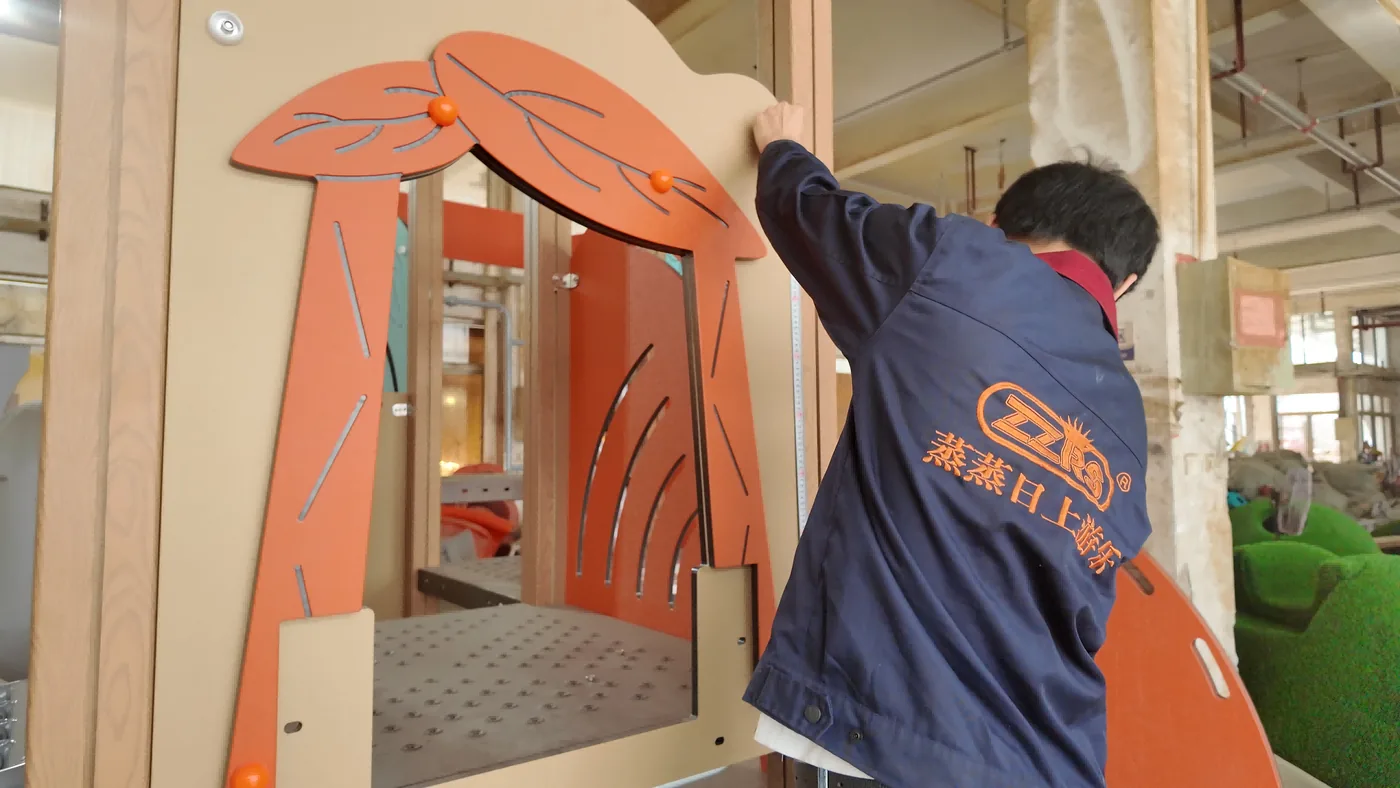 Slides, climbing, balancing, crawling, and interactive play can be combined in one school playground design.
Budget is always an important part of school playground projects. However, choosing the lowest price without considering material, structure, safety, and after-sales support may lead to higher maintenance costs later.
A practical way to control budget is to focus on priority functions first. For example, a school can start with a main play structure, slides, climbing, and safety surfacing, then add swings, interactive panels, or themed elements later if needed.
Modular playground equipment is also useful for budget planning. It allows schools to combine different functions according to site size and investment level. Compared with highly complex custom structures, modular designs can often provide better cost efficiency while still offering rich play value.
When comparing quotations, schools should check:
Equipment size and layout
Main materials
Platform height
Plastic and metal specifications
Surface treatment
Safety surfacing requirements
Packing and shipping details
Installation support
Spare parts and after-sales policy
A clear quotation helps buyers understand what is included and avoid misunderstanding during the project.
For overseas buyers, the final project cost should not only include the equipment price. Shipping, installation, ground preparation, safety surfacing, local labor, and import-related costs should also be considered. A professional playground equipment manufacturer can help clients understand these factors before production.
For school playground projects, working with a direct playground manufacturer can make communication and customization easier. A factory can respond more directly when the client needs to adjust the size, color, layout, functions, materials, or installation details.
A reliable manufacturer should be able to support the project from planning to delivery, not only provide product photos. This includes layout design, 3D renderings, material suggestions, production planning, quality inspection, packing, shipping documents, installation drawings, and online guidance.
ZZRS Playground is a China playground equipment manufacturer with 26 years of industry experience and a 20,000㎡ production factory in Wenzhou. We provide custom commercial playground equipment for schools, kindergartens, parks, communities, resorts, farms, and other public or commercial play spaces.
For overseas school projects, we can help clients review site size, recommend suitable equipment, customize colors and functions, prepare production, arrange packing, and provide installation guidance.
Working with a direct manufacturer is especially helpful when the project requires:
Custom site layout
Custom color matching
Themed playground design
Special size adjustment
Material adjustment
Project packing plan
Installation drawings
Long-term supply cooperation
Wholesale or distributor support
For schools, contractors, distributors, and project buyers, direct communication with the manufacturer can reduce misunderstandings and make the project process more efficient.
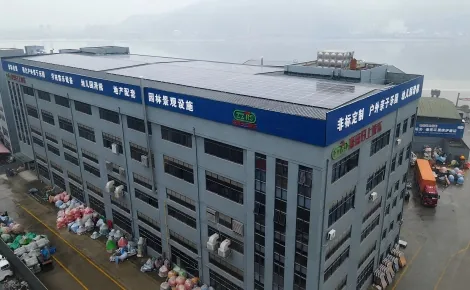 ZZRS Playground supports custom design, production, packing, and installation guidance for school playground projects.
Before installation, schools should confirm that the site is ready. The ground should be leveled according to the project requirement, drainage should be considered, and the installation team should understand the layout and foundation plan.
For many outdoor playground projects, local installation teams can complete the installation with drawings, hardware lists, and video guidance. Larger or more complex playgrounds may require additional technical communication before installation.
A complete installation preparation usually includes:
Confirming the final site dimensions
Checking the foundation or ground condition
Preparing installation tools
Checking the packing list
Sorting posts, platforms, slides, panels, and hardware
Following the installation drawings
Checking safety zones after installation
Inspecting bolts and connection points
After installation, regular inspection and maintenance are important. Schools should check bolts, platforms, slides, ropes, plastic panels, metal surfaces, surfacing, and surrounding areas. Timely maintenance helps extend equipment service life and keeps the playground in better condition for daily use.
Maintenance does not need to be complicated, but it should be regular. Schools can arrange simple monthly checks and more detailed seasonal inspections, especially after heavy rain, strong sunlight, or high-frequency use.
Many school playground problems happen because the project starts too quickly without enough planning. Before placing an order, schools should avoid the following mistakes.
The first mistake is choosing equipment only by price. Low price may look attractive at the beginning, but if the materials, structure, or installation support are weak, the long-term cost may be higher.
The second mistake is ignoring the actual site size. A playground that looks good in a catalog may not fit the school site properly. Safety zones, walkways, drainage, and surrounding facilities all need to be considered.
The third mistake is using one structure for all children. Younger children and older children need different play experiences. If possible, schools should plan different zones according to age group.
The fourth mistake is forgetting installation and maintenance. Equipment production is only one part of the project. Packing, shipping, installation, ground preparation, and after-sales support are also important.
The fifth mistake is choosing a supplier without project communication ability. For school playground projects, the supplier should be able to understand the site, recommend a suitable layout, and support the buyer during the whole process.
To receive a more accurate playground design and quotation, schools should prepare basic project information before contacting a manufacturer.
Useful information includes:
Country and city
Project type
Site size
Site photos or videos
CAD drawing or floor plan if available
Target age group
Number of children
Preferred theme
Preferred colors
Required play functions
Ground material plan
Budget range
Expected delivery time
Installation method
The more information the manufacturer receives, the easier it is to provide a suitable design. If the school does not have a clear plan yet, photos and approximate dimensions are still helpful for the first discussion.
ZZRS Playground can provide design suggestions based on site size, age group, project type, and budget. For schools, kindergartens, parks, and commercial projects, early communication can help reduce changes later.
Choosing outdoor playground equipment for schools requires careful planning. Schools should consider site size, age group, safety zones, materials, budget, play functions, installation, and long-term maintenance before placing an order.
A well-designed school playground can support physical activity, social interaction, imagination, and outdoor learning. It can also improve the overall campus environment and provide children with a more attractive space for daily play.
ZZRS Playground provides customized outdoor playground equipment for schools, kindergartens, parks, communities, resorts, and commercial projects worldwide. As a professional playground equipment manufacturer in Wenzhou, China, we support clients with design, production, packing, installation guidance, and after-sales service.
If you are planning a school playground project, review our commercial school playground solutions page, then send your site size, photos, target age group, and budget range. Our team will help you turn those requirements into a practical equipment layout and quotation scope.