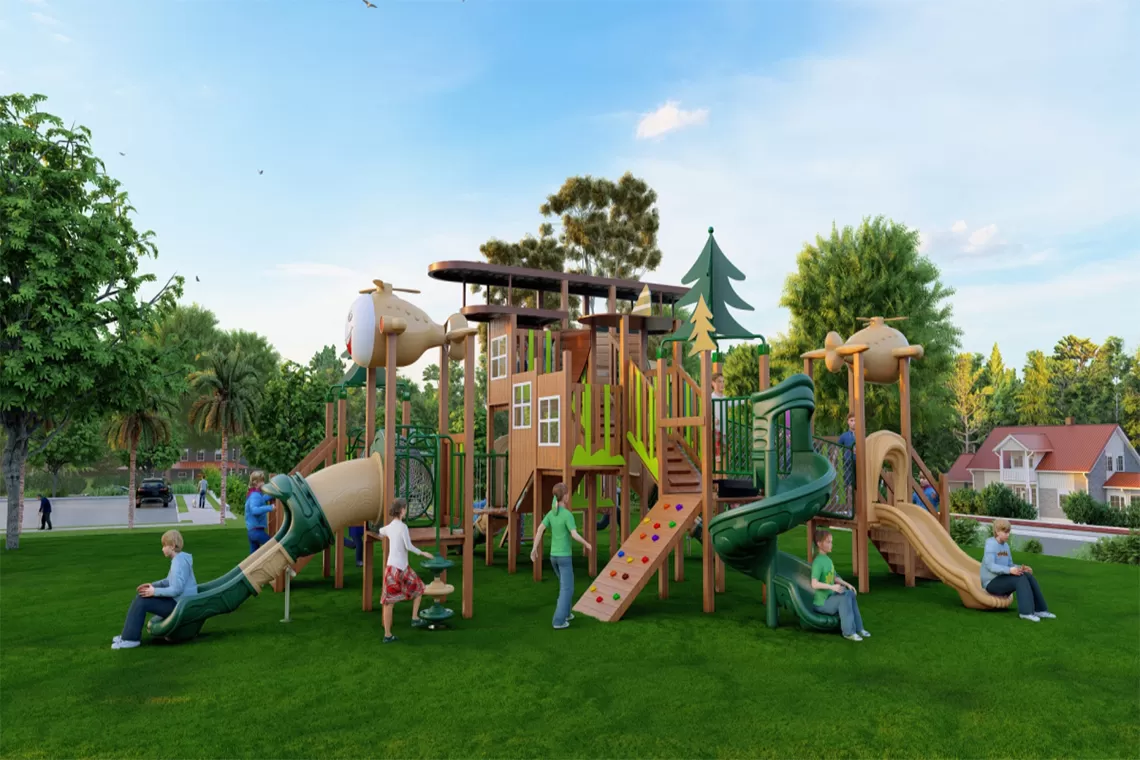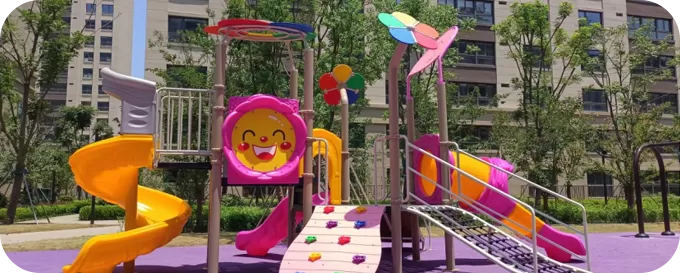
For coastal resorts, tropical schools, beachfront hotels, public parks, housing communities, and municipal recreation projects in 2026, the procurement of outdoor playground equipment has evolved from a catalog selection exercise into a materials engineering decision with significant long-term commercial consequences. The combination of intense UV radiation, salt-laden air, high humidity, heavy rainfall, and temperature cycling that characterizes coastal and tropical environments creates a set of degradation mechanisms — color fading, steel corrosion, coating delamination, plastic embrittlement, and fastener failure — that can reduce the service life of poorly specified playground equipment from the expected ten to fifteen years to as little as three to five years, creating replacement and maintenance costs that far exceed the initial procurement savings from choosing lower-quality materials.
Commercial play structures specified for harsh outdoor environments must be evaluated not only on their play value, theme design, and catalog appearance, but on the specific material and surface protection systems that determine how they perform under the UV exposure, salt spray, humidity, and mechanical wear of real-world coastal and tropical service. UV-resistant plastics that maintain color and structural integrity under intense sunlight, anti-corrosion steel play equipment with hot-dip galvanized frames and outdoor-grade powder coating, HDPE playground panels that resist chemical attack and physical wear, and stainless steel fasteners that prevent the corrosion-related structural failures that are the most common safety risk in coastal playground installations — these are the material specifications that separate playground equipment that delivers long-term value from equipment that becomes a recurring maintenance burden.
ZZRS Play positions itself as a China commercial playground equipment manufacturer supporting outdoor, indoor, themed, and custom playground projects for schools, parks, resorts, and public spaces, with factory-direct supply and TÜV support — providing the material quality, manufacturing control, and compliance documentation that commercial playground procurement for harsh environments requires. This guide covers the complete picture for B2B buyers: why coastal and tropical climates destroy outdoor play structures faster, what durable commercial playground equipment includes, how UV-resistant plastics, HDPE panels, and galvanized steel work together to improve durability, how to select the right material specification for specific site conditions, and what maintenance practices protect playground investment through the equipment's service life.
The commercial case for investing in climate-resistant playground equipment materials starts with a clear understanding of the specific degradation mechanisms that coastal and tropical environments create — and why these mechanisms make material specification a safety-critical and commercially consequential decision for playground operators and project buyers.
UV radiation and color fading is the most immediately visible degradation mechanism in high-UV coastal and tropical environments. Intense sunlight breaks down the pigments and polymer chains in plastic playground components — causing color fading that reduces visual appeal, surface chalking that creates a rough, unattractive texture, and progressive embrittlement that reduces the structural integrity of slides, panels, and molded components. For commercial playground operators at resorts, hotels, and public parks where visual appeal is a brand asset, color fading within two to three years of installation communicates poor quality and creates pressure for premature replacement.
Salt spray corrosion is the most structurally dangerous degradation mechanism for steel playground components in coastal environments. Salt-laden air deposits chloride ions on steel surfaces, accelerating electrochemical corrosion that attacks the steel from the outside in — and in hollow steel pipes, from the inside out through condensation and moisture ingress. Corrosion at welded joints, pipe ends, and connection points creates structural weakness that may not be visible during routine visual inspection but can cause sudden structural failure under load — creating child safety risk and liability exposure for the playground operator.
Humidity and moisture attack compounds the corrosion risk by maintaining the wet conditions that accelerate electrochemical corrosion, promoting biological growth on surfaces that creates slip hazards and aesthetic problems, and causing wood components to swell, crack, and decay in ways that require frequent maintenance intervention. In tropical environments where relative humidity regularly exceeds 80 percent, moisture management is a continuous challenge that must be addressed through material selection, drainage design, and maintenance planning.
For commercial playground operators, material failure creates consequences that extend far beyond the direct cost of replacement parts. Child safety incidents from structural failures create liability exposure and insurance cost increases. Premature color fading and corrosion damage the visual appeal of resort, hotel, and park environments where playground quality reflects on the overall brand. Frequent maintenance interventions consume staff time and operational budget. And the total lifecycle cost of a low-quality playground installation — initial procurement cost plus maintenance cost plus premature replacement cost — consistently exceeds the lifecycle cost of a properly specified climate-resistant installation by a significant margin.
Understanding what durable commercial play structures are — and how the material specifications, manufacturing processes, and quality control systems of climate-resistant playground equipment differ from standard catalog products in ways that determine long-term performance — is essential for procurement teams evaluating playground equipment for harsh outdoor environments.
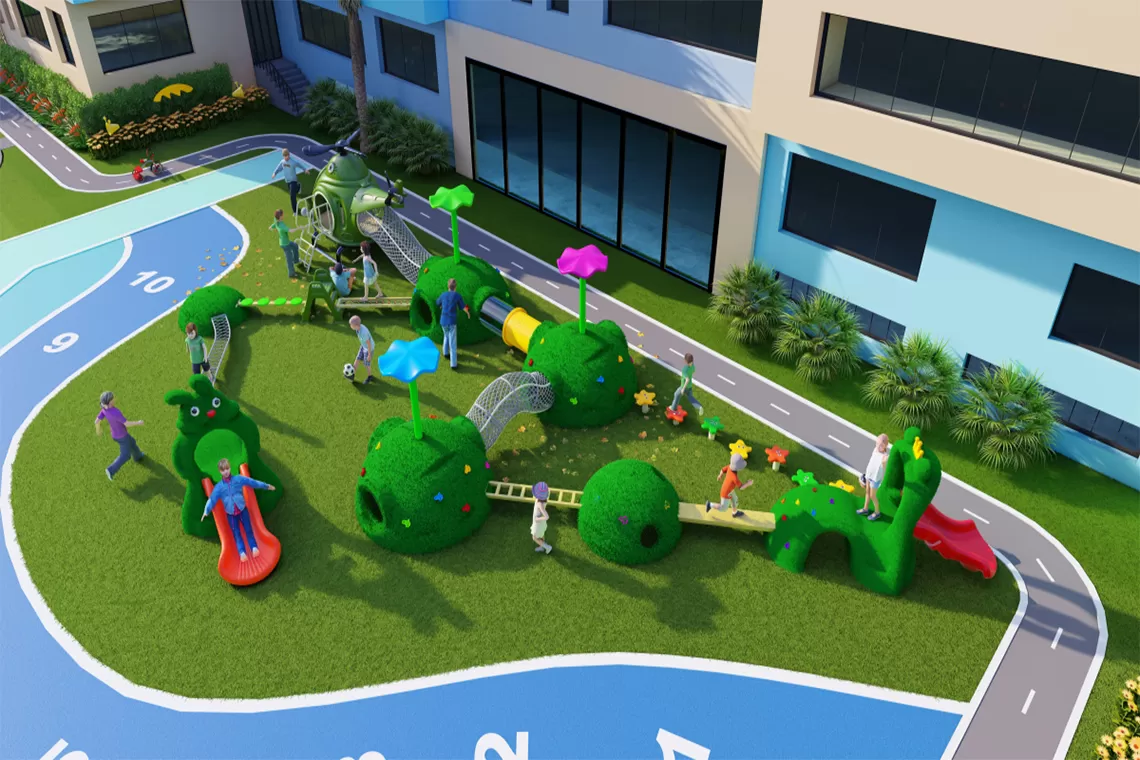
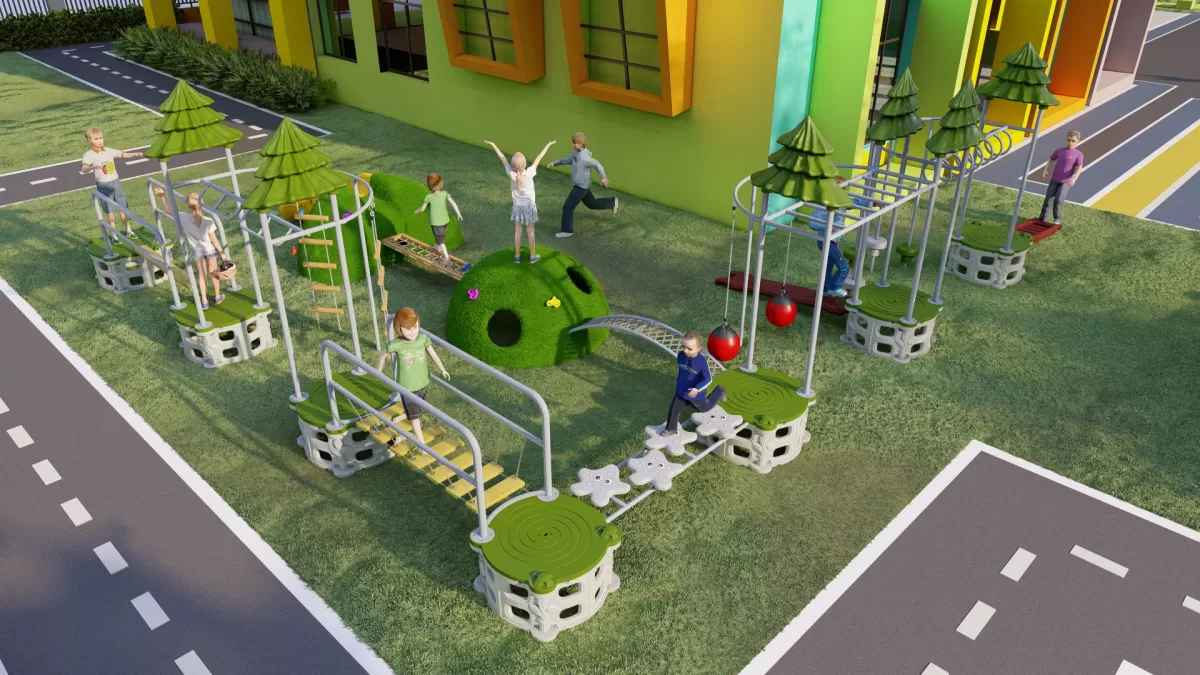
Outdoor playground equipment refers to commercial-grade play systems designed for public or semi-public environments — schools, parks, resorts, communities, childcare centers, and recreational facilities — that must withstand the mechanical wear of heavy daily use and the environmental degradation of outdoor exposure over a service life of ten to fifteen years or more. ZZRS Play's outdoor playground equipment category includes standard outdoor playground equipment, compact outdoor playground equipment, natural and wooden playgrounds, water playground equipment, and featured playground series — providing the product range that covers different site sizes, age groups, and theme requirements.
The critical distinction between climate-resistant commercial play structures and standard catalog playground equipment is not the play value or theme design — it is the material specification and manufacturing quality that determine how the equipment performs under the specific environmental conditions of the installation site. A playground that looks identical in a catalog photograph may have fundamentally different service life depending on whether the steel is hot-dip galvanized or simply painted, whether the plastic components contain UV stabilizers or standard pigments, whether the fasteners are stainless steel or standard zinc-plated hardware, and whether the powder coating system is formulated for outdoor weathering resistance or indoor use.
| Product Type | Best Application | Critical Climate Consideration |
|---|---|---|
| Standard outdoor playground equipment | Schools, parks, communities | Needs strong UV and rust protection for coastal/tropical sites |
| Water playground equipment | Resorts, splash parks, tropical areas | Requires excellent corrosion resistance and slip-resistant surfaces |
| Featured themed playgrounds | Destination parks, hotels, commercial spaces | Needs color retention and structural durability for brand-critical sites |
| Compact outdoor playground equipment | Small communities, childcare centers | Requires efficient layout and full climate-resistant material specification |
The technical mechanism by which the combination of UV-resistant plastics, HDPE playground panels, hot-dip galvanized steel, outdoor powder coating, and stainless steel fasteners works together to deliver the climate resistance that coastal and tropical playground installations require — and why each material element must be correctly specified to avoid the weakest-link failure that undermines the entire system — is the core engineering knowledge that procurement teams need to evaluate playground equipment specifications for harsh environments.
UV-resistant engineering plastics for playground components use UV stabilizer additives — typically hindered amine light stabilizers and UV absorbers — that absorb or neutralize the UV radiation that would otherwise break down the polymer chains and pigments in the plastic. ZZRS states that its rotational-molded plastic components use anti-UV additives to help prevent fading and brittleness, keeping colors vibrant in high-UV regions. The practical result is plastic slides, panels, and molded components that maintain their color and structural integrity through years of intense sunlight exposure — rather than fading to a chalky, unattractive appearance within two to three years of installation.
The wall thickness of plastic components is equally important for structural durability — thicker walls provide more material to absorb the surface degradation that UV exposure creates over time, and more structural rigidity that resists the deformation and cracking that thin-walled components develop under heavy use and thermal cycling.
HDPE — high-density polyethylene — playground panels are the material of choice for platform surfaces, side panels, and decorative elements in commercial playground equipment for harsh environments. ZZRS lists HDPE sheets as high-strength, wear- and chemical-resistant, recyclable, non-toxic, and suitable for harsh environments — reflecting the material properties that make HDPE the preferred panel material for coastal and tropical playground installations.
HDPE panels resist the chemical attack of salt spray, cleaning agents, and biological growth that degrades lower-quality panel materials. They maintain their structural integrity across the temperature range of tropical and coastal environments — from the heat of direct sunlight to the cooling effect of rain and sea breeze. They resist the impact and abrasion of heavy daily use without cracking or delaminating. And they can be manufactured in a wide range of colors with UV-stable pigments that maintain their appearance through years of outdoor exposure.
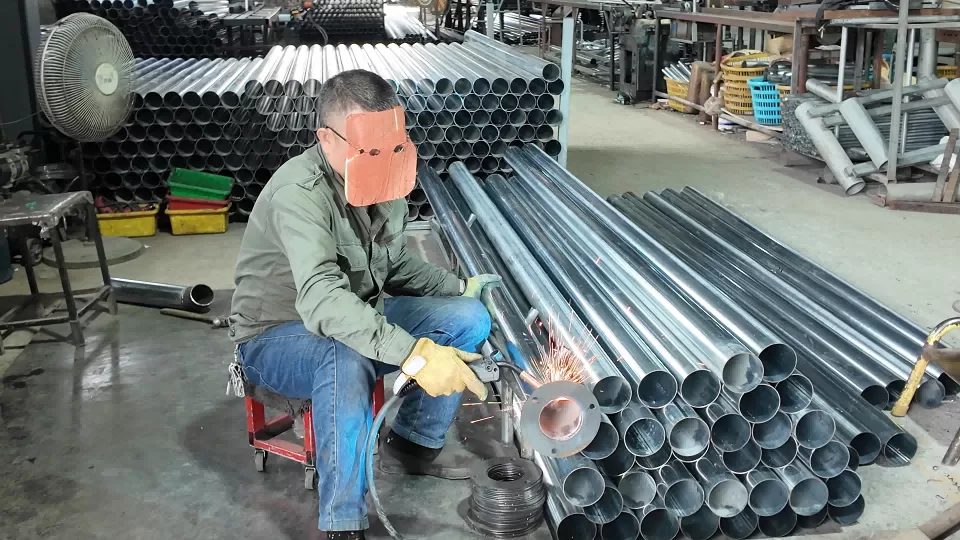
The steel frame is the structural backbone of commercial play structures, and its corrosion protection system is the most safety-critical material specification in the entire playground. ZZRS describes its structural steel as hot-dip galvanized steel pipe, with inside-and-out galvanization to prevent rust from the core, followed by outdoor polyester powder coating for adhesion and color retention.
Hot-dip galvanization — immersing the steel pipe in molten zinc — creates a metallurgically bonded zinc coating that protects the steel through two mechanisms: barrier protection that physically separates the steel from the corrosive environment, and sacrificial protection where the zinc corrodes preferentially to protect the underlying steel even when the coating is scratched or damaged. The inside-and-out galvanization that ZZRS specifies is particularly important for hollow steel pipes in coastal environments, where moisture condensation inside the pipe can initiate internal corrosion that is invisible during external inspection but progressively weakens the structural integrity of the frame.
The outdoor polyester powder coating applied over the galvanized steel provides additional barrier protection, color retention, and UV resistance — creating a two-layer protection system that is significantly more durable than paint or single-layer coating systems. ZZRS also specifies stainless steel screws and bolts — 304 or 316 grade depending on the corrosion severity of the site — and die-cast aluminum alloy clamps for structural connections, eliminating the fastener corrosion that is the most common cause of structural failure in coastal playground installations.

The selection of the right playground equipment specification for a specific coastal or tropical site requires systematic evaluation of the site conditions, climate severity, expected service life, maintenance capability, and budget — and an understanding of how different material specifications address different combinations of these requirements.
| Site Condition | Primary Degradation Risk | Recommended Material Strategy |
|---|---|---|
| Coastal park with salt spray | Steel corrosion and fastener failure | Hot-dip galvanized steel + 316 stainless hardware + strong powder coating |
| Tropical resort with high UV | Color fading and plastic embrittlement | UV-resistant plastics + anti-UV additives + HDPE panels |
| Splash park or water play area | Constant water and chemical exposure | Stainless hardware + corrosion-resistant structures + water-safe surfaces |
| High-UV desert or subtropical site | Rapid color fading and surface chalking | UV-resistant plastics with fade-resistant pigments + UV-stable coatings |
| School playground with heavy daily use | Mechanical wear and structural fatigue | Thick steel, strong platforms, durable HDPE panels, easy maintenance |
| Public park with high traffic | Vandalism and accelerated wear | Reinforced structure, capped fasteners, durable outdoor coatings |
| Evaluation Factor | Low-Cost Playground Equipment | Climate-Resistant Commercial Playground Equipment |
|---|---|---|
| Steel structure | Thin or basic painted pipe | Hot-dip galvanized steel with outdoor powder coating |
| Plastic components | Basic plastic with faster fading risk | UV-resistant plastics with anti-UV additives |
| Panels | Thin or low-grade sheet materials | HDPE playground panels with UV-stable pigments |
| Fasteners | Standard zinc-plated hardware | 304 or 316 stainless steel screws and bolts |
| Coating system | Basic paint or thin powder coat | Outdoor-grade polyester powder coating system |
| Expected service life in coastal climate | 3 to 5 years before significant maintenance | 10 to 15 years with routine maintenance |
| Long-term maintenance cost | High — frequent repainting and part replacement | Lower — designed for reduced maintenance intervention |
| Best application | Short-term or indoor use | Coastal, tropical, public, and commercial projects |
Climate-resistant outdoor playground equipment delivers the most commercial value for: coastal resorts and beach hotels where playground quality reflects on the overall brand and salt spray creates severe corrosion risk, tropical schools and childcare centers where heavy daily use and high humidity combine to accelerate material degradation, public parks and municipal playgrounds where long service life and low maintenance cost are primary procurement criteria, water parks and splash parks where constant water exposure creates the most demanding corrosion environment, and real estate developments and housing communities where playground appearance and safety are important to property value and resident satisfaction.
Procuring the right playground equipment for a coastal or tropical site requires systematic pre-order evaluation of both technical requirements and supplier capability — and a maintenance program that protects the equipment investment through the service life.
Before requesting a quotation from a playground equipment China manufacturer, prepare and confirm the following:
Confirm the site location and climate conditions — coastal, tropical, high-UV, humid, rainy, or combination — and communicate these conditions clearly to the supplier so that the appropriate material specifications can be recommended
Confirm the site size and layout — provide site dimensions or drawings so that the supplier can suggest an appropriate equipment layout and configuration
Confirm the target age group and expected user capacity — these parameters determine the appropriate equipment size, platform height, and structural load requirements
Confirm the required playground type — standard outdoor, compact, water play, themed, or natural — based on the project brief and user requirements
Confirm the material requirements — hot-dip galvanized steel, UV-resistant plastics, HDPE panels, stainless steel fasteners — and verify that the supplier can provide documentation confirming these specifications
Confirm the safety standard requirements — EN1176, ASTM, TÜV, or other applicable standards — and verify that the supplier can provide compliance documentation
Confirm the color and theme requirements — and verify that the supplier uses UV-stable pigments and fade-resistant color systems for the specified colors
Confirm the installation method and support requirements — and verify whether the supplier provides installation guidance, site planning support, or on-site installation assistance
Confirm the packaging requirements for export — and verify that the supplier's export packaging protects the equipment from damage during ocean freight and port handling
Confirm the after-sales support requirements — warranty terms, spare parts availability, and maintenance guidance — before committing to the procurement
Rinse metal parts regularly in coastal areas — monthly rinsing with fresh water removes salt deposits that accelerate corrosion and extends the service life of the galvanized steel and powder coating
Inspect bolts, clamps, platforms, and welded joints monthly — early detection of corrosion, loosening, or structural damage allows repair before the problem becomes a safety risk
Check powder coating for scratches and repair exposed metal quickly — bare steel exposed by coating damage will corrode rapidly in coastal environments, and prompt touch-up prevents the corrosion from spreading
Clean plastic slides and HDPE panels with mild detergent — avoid harsh solvents that may damage plastic surfaces or degrade UV stabilizer additives
Ensure drainage holes remain open after heavy rain — blocked drainage creates water accumulation that accelerates corrosion at the base of steel posts and platform supports
Tighten stainless steel fasteners according to the maintenance schedule — thermal cycling in tropical environments can cause fastener loosening over time
Keep vegetation trimmed around the playground perimeter — vegetation traps moisture against steel components and creates conditions that accelerate corrosion
In 2026, the buyers who achieve the best long-term commercial outcomes from playground equipment procurement in coastal and tropical environments are those who evaluate material specifications with the same rigor they apply to play value and theme design — specifying UV-resistant plastics that maintain color and structural integrity under intense sunlight, HDPE playground panels that resist chemical attack and physical wear, anti-corrosion steel play equipment with hot-dip galvanized frames and outdoor-grade powder coating, and stainless steel fasteners that prevent the corrosion-related structural failures that create safety risk and liability exposure.
ZZRS Play is a commercial playground equipment manufacturer in Wenzhou, China, with over 20 years of expertise, factory-direct supply, TÜV support, ISO quality management, and EN1176 and ASTM-related compliance support — providing the material quality, manufacturing control, and documentation capability that commercial playground procurement for harsh environments requires.
Contact ZZRS Play today to share your site size, climate conditions, project drawings, age group, budget, and material requirements. ZZRS can help evaluate a customized playground equipment solution for schools, parks, resorts, communities, and commercial recreation projects — and provide the material specifications, quality documentation, and after-sales support that long-term playground investment requires.
Q1: What is the best material for outdoor playground equipment in coastal climates?
For coastal climates, the most important material specifications are hot-dip galvanized steel for the structural frame, UV-resistant engineering plastics with anti-UV additives for slides and molded components, HDPE playground panels for platform surfaces and side panels, 304 or 316 stainless steel fasteners for all connection hardware, and outdoor-grade polyester powder coating over the galvanized steel. This combination addresses the salt spray corrosion, UV fading, and moisture attack that are the primary degradation mechanisms in coastal environments.
Q2: Why do outdoor playgrounds fade so quickly in tropical climates?
Outdoor playgrounds fade in tropical climates because intense UV radiation breaks down the pigments and polymer chains in plastic components — causing color fading, surface chalking, and progressive embrittlement. UV-resistant plastics with anti-UV additive systems — hindered amine light stabilizers and UV absorbers — significantly slow this degradation process, maintaining brighter colors and better structural integrity through years of intense sunlight exposure.
Q3: Are HDPE playground panels suitable for harsh coastal and tropical environments?
Yes. HDPE — high-density polyethylene — playground panels are particularly well suited for harsh environments because they offer high strength, wear resistance, chemical resistance to salt spray and cleaning agents, recyclability, and non-toxic performance. ZZRS lists HDPE sheets as suitable for harsh environments, and their UV-stable pigment options maintain color appearance through years of outdoor exposure.
Q4: What is anti-corrosion steel play equipment and why does it matter?
Anti-corrosion steel play equipment uses hot-dip galvanized steel pipes — with zinc coating applied inside and outside the pipe — combined with outdoor-grade powder coating, stainless steel fasteners, and corrosion-resistant aluminum alloy clamps to protect the structural frame from the rust and corrosion that salt spray, humidity, and moisture create in coastal and tropical environments. The galvanized steel provides both barrier and sacrificial protection, while the powder coating adds UV resistance and color retention.
Q5: How can buyers reduce long-term maintenance costs for commercial playground equipment?
The most effective way to reduce long-term maintenance costs is to specify climate-resistant materials from the beginning — UV-resistant plastics, hot-dip galvanized steel, HDPE panels, stainless hardware, and outdoor-grade powder coating — rather than choosing lower-cost materials that require frequent repainting, part replacement, and structural repair. Combined with a regular maintenance program including monthly rinsing, fastener inspection, and coating touch-up, climate-resistant materials can extend playground service life to ten to fifteen years with significantly lower maintenance intervention than standard materials.
Q6: What should buyers ask a playground equipment China manufacturer before ordering for a coastal project?
Buyers should ask about steel pipe diameter and wall thickness, galvanizing method and coverage, powder coating system and outdoor weathering performance, plastic component UV resistance and anti-UV additive specification, HDPE panel thickness and UV stability, stainless steel fastener grade, salt spray test results, safety standard compliance documentation, trial assembly availability, export packaging method, installation support, and after-sales warranty terms.
Q7: What makes ZZRS Play a suitable low-maintenance commercial playground equipment manufacturer for harsh climate projects?
ZZRS Play highlights durable material options including HDPE sheets, hot-dip galvanized steel pipes, UV-resistant engineering plastics with anti-UV additives, outdoor polyester powder coating, 304 and 316 stainless steel fasteners, and die-cast aluminum alloy clamps — combined with quality control processes including incoming material testing, weld strength checks, coating thickness inspection, salt spray testing, and final package inspection. ZZRS also provides site planning, installation guidance, and after-sales support for commercial playground projects globally.