 Buying Guide
Compare 10 Canadian playground equipment manufacturers and suppliers by manufacturing evidence, product focus, regional support, CSA documentation and project fit.
Read insight

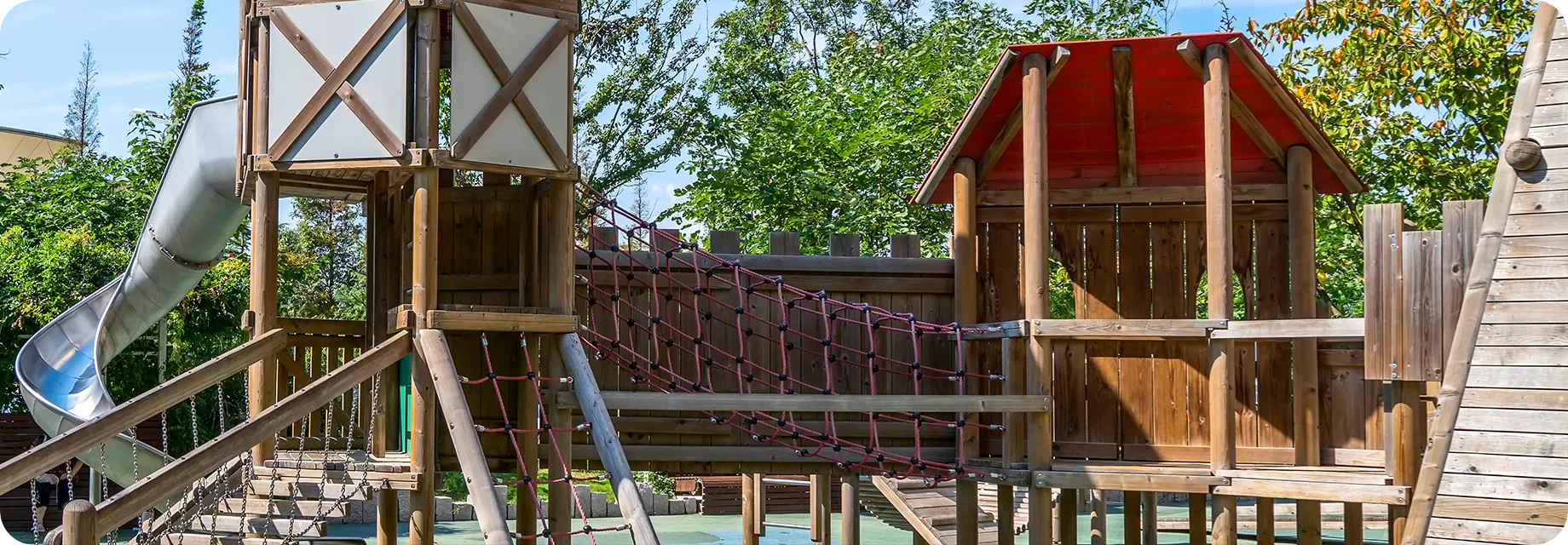
Approve play functions, capacity, layout, style, colours and materials against one controlled project brief.
Approve the age groups, expected capacity, play functions, accessibility needs, supervision, site constraints and maintenance conditions before finalizing style, colours or decorative details.
A controlled decision sequence keeps the concept attractive while protecting circulation, usable play value, procurement scope and long-term operation. Every approval should reference the current project layout and equipment configuration.
Users and peak capacity
Play and development goals
Site fit and circulation
Accessibility and supervision
Style and theme direction
Colour and material palette
Maintenance and budget limits
Balance climbing, sliding, balancing, movement, imaginative, social and quieter ground-level activities.
Match reach, access routes, platform heights and complexity to the intended age groups and supervision model.
Use multiple activity routes and clear exits to reduce avoidable bottlenecks during peak use.
Review access, transfer, ground-level play, sensory choice, rest and social participation for the actual project brief.
Use style, graphics and colours to support the school, park, resort or development—not to hide weak function planning.
Choose materials and details around climate, corrosion exposure, cleaning, replacement access and maintenance capacity.
Choose the visual story and structural language that fit the setting, users and level of customization.
Plan the style direction →Coordinate brand identity, visibility, heat, fading, wayfinding and replacement consistency.
Plan the colour system →Compare structure, panels, slides, ropes, platforms and surfacing by climate, maintenance and verified scope.
Compare material choices →| Approval item | What should be visible | Common risk if omitted |
|---|---|---|
| Equipment schedule | Models, quantities, options and accessories | Quotation and layout describe different scopes |
| Final layout | Dimensions, orientation, entrances, use zones and interfaces | Late changes to site work or circulation |
| Play-function review | Age groups, challenge, capacity and activity mix | Attractive structure with weak operational fit |
| Colour/material schedule | Part references, approved palette, material and finish | Samples and production references do not match |
| Revision status | Project, date, revision, approval and open comments | Supplier or contractor uses a superseded file |
If the configuration changes after approval, review the affected price, schedule, drawings, safety-document scope and site interfaces together.
Confirm users, capacity, play functions, accessibility needs, site constraints, circulation, supervision, budget and maintenance conditions first.
Selected colours, graphics and themed elements can be reviewed for a confirmed configuration. The approved schedule, samples where applicable and quotation should define the final scope.
Review UV, heat, humidity, salt, chemicals, drainage, cleaning and maintenance access. Material claims should be checked against the quoted component and finish rather than assumed for the whole site.
The project team should review every affected drawing, part reference, price, programme, site interface and applicable document scope before releasing the change.
Send the site, users, functions, style direction, destination, budget and schedule for a more controlled design discussion.
Practical guidance from playground planning, manufacturing, delivery and completed project experience.
Buying Guide
 Buying Guide
 Factory & Production