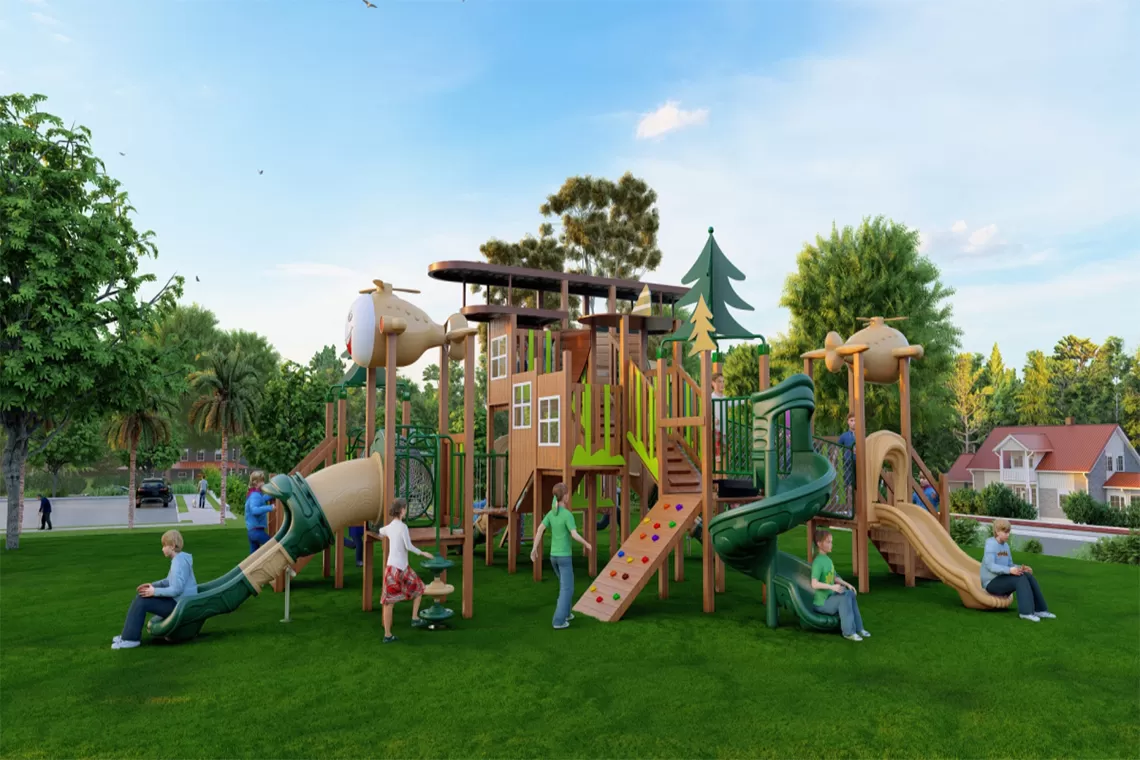

A playground equipment pre-shipment inspection should confirm that the finished order matches the approved drawings, specification, quantities and agreed document scope before final packing begins. Buyers should check dimensions and interfaces, visible workmanship, coatings and surfaces, moving parts, hardware, component labels and inspection evidence. Any nonconformity should be recorded, corrected and rechecked before written release. The checklist below is designed for commercial playground buyers comparing suppliers or approving a completed order; it does not replace product testing, destination-specific compliance review or final inspection after installation.

Factory inspection evidence should show the actual order, identifiable components and the checks being performed—not only a general workshop photo.
| Inspection stage | What to verify | Useful evidence | Release condition |
|---|---|---|---|
| Order identity | Model, project code, drawing revision, colors and quantity | Approved order file and inspection record | The inspected goods can be linked to the approved order |
| Structure and interfaces | Main dimensions, connection points, hole positions and critical fit | Measurements, marked photographs and trial-assembly records where agreed | Interfaces match the approved drawing and inspection criteria |
| Visible workmanship | Welds, edges, coatings, panels, ropes, plastics and stainless surfaces | Close-up photographs and defect log | No unresolved defect outside the agreed acceptance criteria |
| Parts and identification | Components, hardware, labels and drawing references | Parts list, hardware list and label sample | Counts and identifiers are complete enough for packing and installation |
| Documents and release | Inspection results, open items, correction evidence and agreed deliverables | Signed checklist or written release record | Open issues are corrected, accepted in writing or formally excluded from release |
An inspection cannot be reliable if the buyer and supplier are using different drawing revisions. Before the inspection date, create a controlled reference pack containing the purchase order, approved layout, final product drawings, material and color schedule, component list, hardware list, agreed inspection plan and required documents. Mark the revision and approval date on each critical file.
Clarify which items are subject to measurement, functional checking, visual inspection, counting or document review. The sample size and acceptance criteria should be agreed for the actual order. A vague request to “check quality” gives neither party a clear release standard.
Start with traceability. Record the project or order reference, product name, drawing revision, quantity presented, production status and inspection date. Photographs should include identifiable parts or labels so they can be matched to the order later. If production is incomplete, state exactly what was unavailable and whether a follow-up inspection is required.
For a custom project, compare the finished colors, panel graphics, roof forms, slides, activity modules and freestanding equipment with the approved selection. Similar-looking components from another order should not be treated as evidence for the buyer's project.
Measure the dimensions that affect assembly, foundations, safety clearances or fit between modules. Depending on the product, this can include post spacing, platform height, bracket position, hole location, slide connection, bridge interface, guardrail opening and anchor details. The supplier should record the agreed tolerances or acceptance criteria rather than relying on an unmarked photograph of a tape measure.
Complex or custom structures may benefit from factory trial assembly before delivery. Trial assembly is not automatically required for every order; the approved inspection plan should identify which modules or interfaces need to be assembled and what the check is intended to prove.
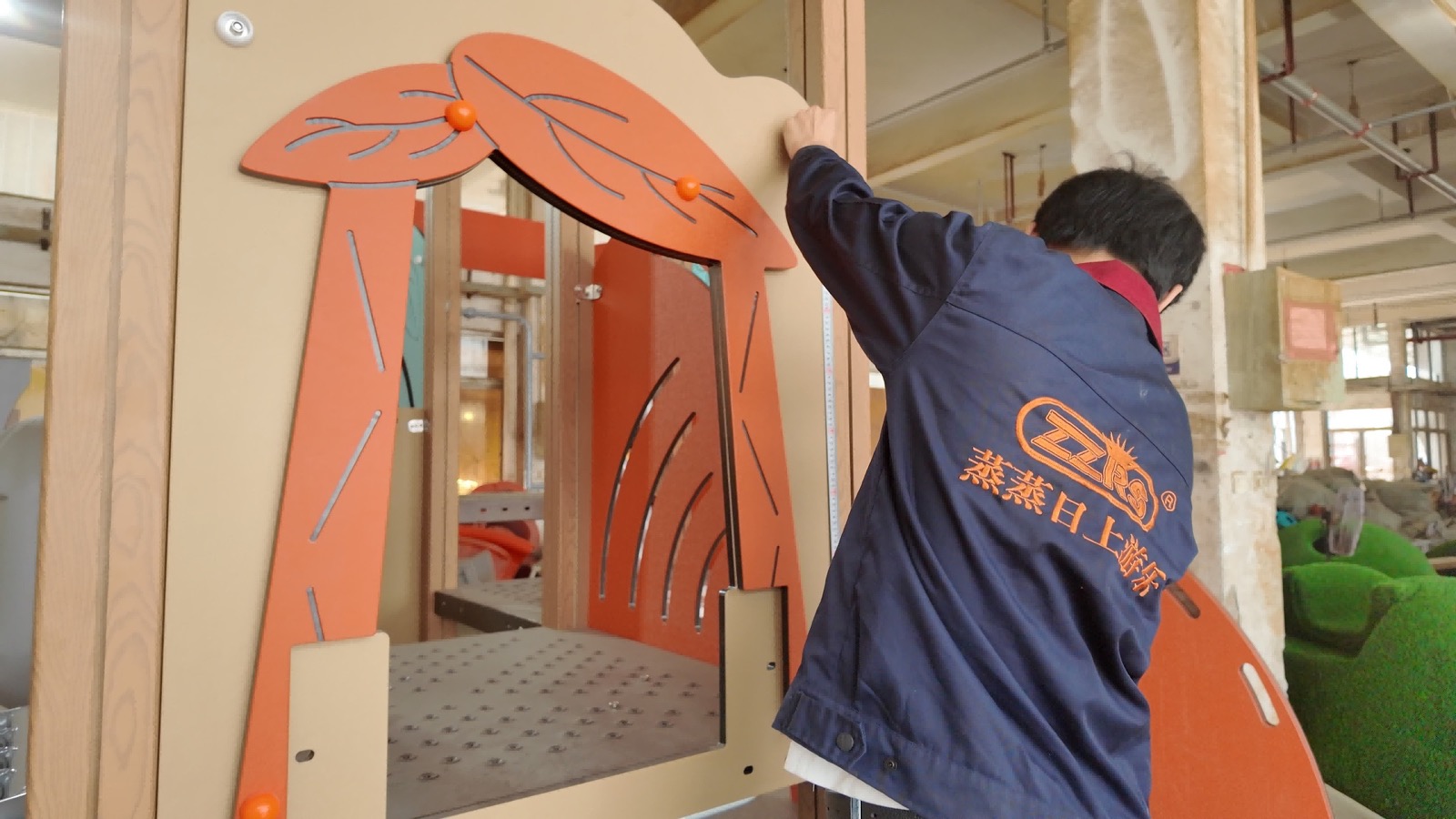
Trial assembly can make selected connections and module interfaces visible before components are disassembled for export packing.
Use component-specific checks instead of one general visual judgment. For steel structures, review the visible weld area, edges, holes, brackets and coating condition. For powder-coated parts, look for incomplete coverage, obvious contamination, runs, chips or transport damage that already occurred inside the factory. For plastic or HDPE components, review color, surface condition, edges, openings and connection points. For ropes and nets, check the specified type, terminations, connectors and identification. For stainless-steel slides, inspect the visible sliding surface and protected edges.
The inspection should be tied to the approved material schedule and the manufacturer's documented process. Buyers can review ZZRS's published commercial playground manufacturing and quality-control overview as process evidence, then confirm the actual inspection scope in the order.
Where the product includes bearings, pivots, rotating parts, swing connections, spring elements, gates or interactive panels, check the agreed functional points before packing. The component should move as intended without an obvious obstruction, missing fastener or incorrect interface. Record what was checked, whether it was assembled in its final working condition and any limitation of the factory check.
A factory functional check does not replace the final site inspection. Foundations, assembly, safety surfacing, clearances and local conditions can only be confirmed after installation.
A finished structure can still be delayed on site by one missing bracket or a mixed hardware package. Compare major components with the final bill of materials or parts list. Check the agreed method for counting bolts, clamps, caps, connectors and other small items. Confirm whether special tools, touch-up materials or spare parts are included in the written order.
Labels should use the same component or zone references as the packing list and installation drawings. Ask to see a representative label before the full order is packed. This connects pre-shipment inspection with the later playground packing and container-loading process without duplicating it.
The inspection release should identify which documents are complete, which are pending and who is responsible for approval. Depending on the quotation and project, the package may include final drawings, component identification, foundation or anchor information, parts and hardware lists, packing list, installation information, inspection records, maintenance guidance and the applicable product-document references.
Claims about EN 1176, ASTM F1487 or another requirement must be checked against the named product, model or scope. A general certificate statement should not be assumed to cover every custom configuration. Review the available playground safety documents and test-report scope information, then have the responsible local party confirm what the destination or tender requires.
Every unresolved issue should have a clear record: component reference, description, photograph, acceptance requirement, proposed action, responsible party and due date. After correction, add new evidence and the recheck result. Do not close an issue only because a replacement photograph was sent; the photograph should identify the same component and show what changed.
Some minor items may be accepted by written concession, but the buyer should understand the effect and the person approving it should have the authority to do so. Critical safety, fit or completeness issues should remain open until the agreed release condition is met.
The inspection result should be one of three clear outcomes: released, released subject to listed conditions, or not released. The record should state the inspected quantity, documents reviewed, unresolved items and whether packing may begin. This prevents an informal “looks fine” message from being mistaken for approval of uninspected goods or documents.
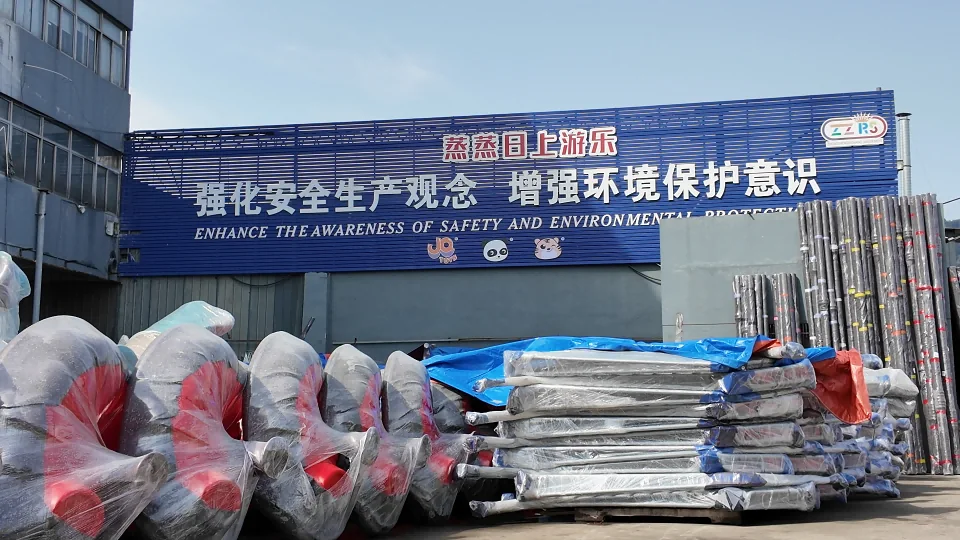
After release, classified components can move into the agreed protection, labeling and packing process.
| Comparison criterion | Stronger supplier response | Warning sign |
|---|---|---|
| Inspection plan | Defines items, method, timing, evidence and acceptance criteria for the order | Only promises a general final quality check |
| Traceability | Connects photographs, measurements and labels to the approved drawing and project code | Sends unrelated workshop or finished-product images |
| Correction control | Records each issue, corrective action and recheck result | Treats verbal assurance as closure |
| Document readiness | Maintains a register of completed and pending deliverables | Documents are requested only after loading |
| Release discipline | Waits for written release or agreed conditions before final packing | Packs before open inspection items are reviewed |
The inspected order and drawing revision are identified.
Production is complete enough for the agreed inspection scope.
Critical dimensions and connection interfaces have recorded results.
Visible workmanship is reviewed by component and material.
Agreed moving or functional parts have been checked.
Major components, hardware groups and special items are counted.
Component labels match the parts list and drawing references.
Required product and project documents are listed by status.
Photographs and videos identify the actual order.
Nonconformities have owners, deadlines and correction evidence.
Any accepted concession is documented by an authorized party.
Written release states whether final packing may begin.
An independent inspection may be useful when the buyer cannot attend, the order is high risk, the contract requires third-party evidence or the buyer needs a defined sampling and reporting method. Select an inspector with an agreed scope and relevant capability. The inspector should receive the controlled order documents before the visit. A third-party report is only as useful as the criteria, sample and access provided.
This guide is published by ZZRS Amusement Equipment Co., Ltd. under the ZZRS Playground brand. For an approved commercial playground order, ZZRS can coordinate production-status confirmation, selected measurements and workmanship checks, trial assembly where agreed, component classification, correction records, packing preparation and project-document communication according to the written quotation and inspection plan.
The exact inspection, documentation, spare-parts and evidence scope varies by product and order. Buyers should define it before production rather than add unclear requirements after the equipment is complete. For a new project, send the site, selected equipment, destination, schedule and document requirements through the ZZRS project enquiry page.
It is a documented check of the finished order before final packing or shipment. The inspection compares the actual goods, quantities, interfaces, visible workmanship, identification and agreed documents with the approved order and records whether the order can be released.
No. Trial assembly is one possible inspection activity used to check selected modules or connections. A pre-shipment inspection has a broader release scope that can also include order identity, dimensions, finishes, components, hardware, labels, documents and correction status.
The appropriate scope depends on the order, product risk, contract and inspection plan. Critical or custom interfaces may need complete checking, while repeat items may use an agreed sample. The sampling method and acceptance criteria should be defined before inspection.
Useful evidence can include an order-specific checklist, measurements, identifiable photographs or videos, parts and hardware counts, document register, nonconformity log, correction evidence and a written release result.
Only if the written release allows it and clearly identifies the remaining conditions. Issues that affect safety, fit, completeness or the ability to verify correction should normally remain open until they meet the agreed release criteria.
No. Factory inspection cannot verify the completed foundations, site layout, installation, safety zones, surfacing, local conditions or operational handover. The responsible parties still need an appropriate post-installation inspection and maintenance plan.
Send ZZRS the approved order reference, inspection priorities, required evidence and target shipping date so the inspection and release scope can be reviewed before packing.