 Factory & Production
Use milestones, dated photos, checklists and exception records to verify playground equipment production progress before shipment.
Read insight

Buyers can verify playground equipment production progress by agreeing measurable milestones before production, then matching every update to the approved order, drawing revision, model or component code, date and remaining action. Useful evidence includes dated overview and detail photos, short process videos, material or component lists, inspection records and an exception log. A message saying that an order is “80% complete” is not enough unless the completed scope and outstanding work are defined.
This guide is published by ZZRS Amusement Equipment Co., Ltd. under the ZZRS Playground brand. It explains a practical buyer-side verification method. The exact reporting frequency, inspection scope, delivery date and evidence must be agreed in the written quotation or contract.
Progress cannot be measured reliably until the production baseline is clear. Before fabrication begins, the buyer and manufacturer should identify the approved model or equipment schedule, current drawing revision, colors, materials, quantities, document requirements and target shipment conditions.
If a design or material decision remains open, the affected work should not be reported as fully released. The progress record should distinguish approved work, work in production, completed work, work awaiting inspection and work blocked by an unresolved decision.
Use the playground manufacturer document checklist to confirm that order and drawing references remain consistent.
| Milestone | Useful evidence | What the buyer should verify | Warning sign |
|---|---|---|---|
| Production release | Approved equipment schedule, drawing revision and release date | The factory is working from the same configuration the buyer approved | Production starts while major dimensions, colors or quantities remain unclear |
| Material preparation | Dated overview photos and project-specific material or component references | The evidence relates to the order rather than generic factory stock | Photos cannot be connected to the project or approved specification |
| Fabrication | Photos or short videos showing identifiable components and current processes | Major structural groups and quantities are progressing against the schedule | Only close-up images are supplied, with no project or component context |
| Surface treatment and finishing | Identifiable component photos, approved color references and recorded exceptions | Colors and finishes match the released project information | Finished parts are shown before the buyer can confirm which order they belong to |
| Inspection or agreed trial assembly | Inspection record, dated images, module references and open-item list | The agreed checks were completed and findings were closed | Trial assembly is claimed without defining what was assembled or checked |
| Packing readiness | Packing list, package codes, protected components and hardware-group references | Packages can be matched to the drawings and receiving plan | Packing begins while shortages or inspection findings remain unresolved |
| Shipment release | Final quantities, document register, exception closure and release confirmation | The approved release conditions are complete | A shipping date is treated as proof that technical and document checks are complete |
Photos and videos are useful only when their context is clear. A useful update should show enough of the production area or component group to establish what is being reviewed, followed by detail images where necessary. The update should identify the date, project reference, milestone and any remaining work.
Buyers should not expect every component to appear in every report. Instead, the reporting plan should focus on decision points and risks. Examples include the first completed structural group, an approved color sample, an unusual connection, a trial-assembly interface or the first packed module.
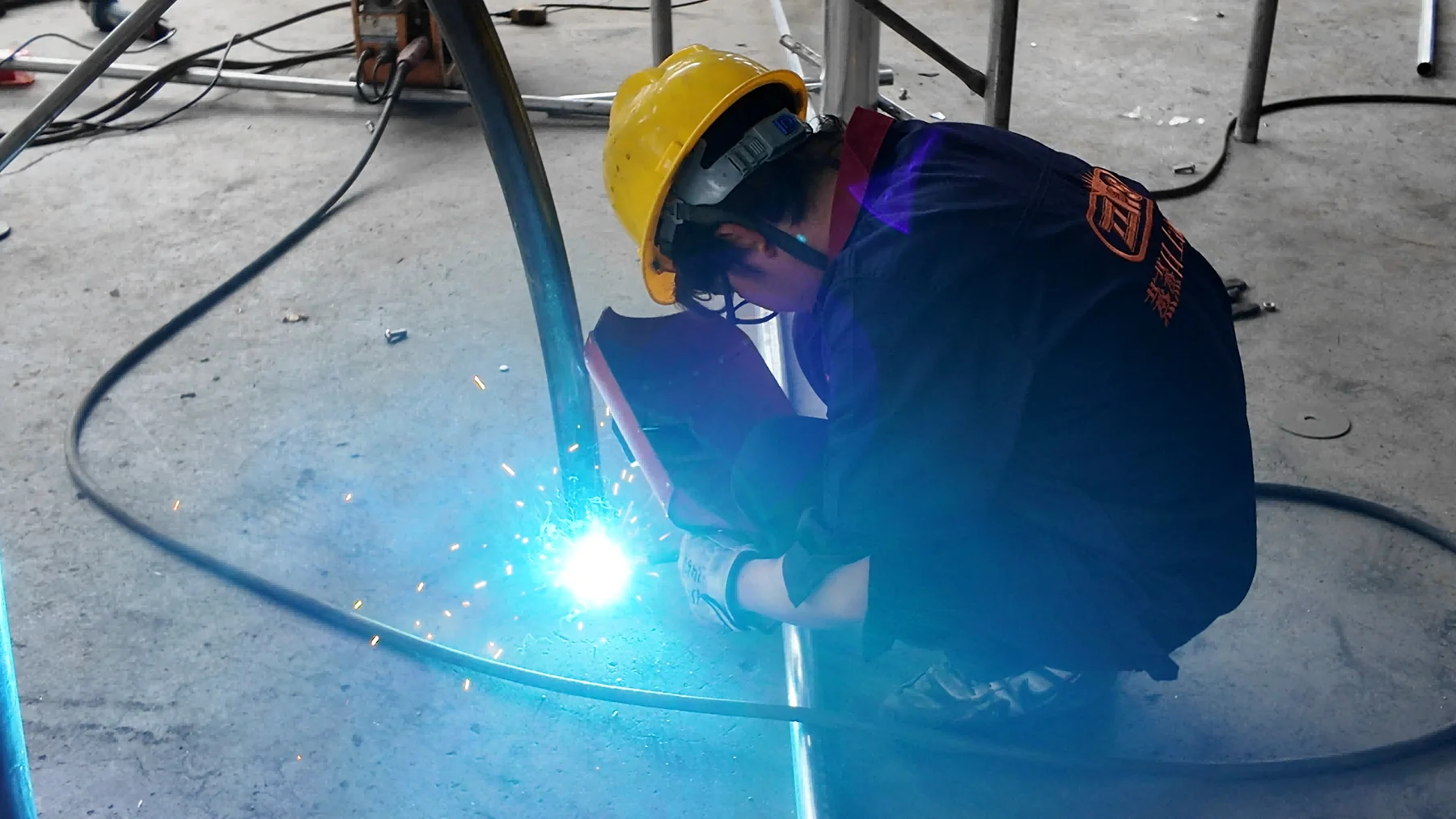
Production photographs should identify the project stage and component group rather than being presented as generic proof of order completion.
A production update reports what has been done. It does not automatically prove that the work meets every approved requirement. Quality acceptance requires the checks, records and responsibility defined for the order.
For example, a photo of painted components can show that finishing has started. It does not by itself confirm color accuracy, coating condition, quantity or inspection status. A trial-assembly photo can show that selected parts were assembled; it does not replace final site installation, surfacing or local inspection.
The buyer should therefore keep three statuses separate:
Reported complete: the supplier says the activity is finished;
Evidence received: the agreed photo, video, list or record has been supplied;
Accepted or released: the responsible reviewer has closed the required checks.
Progress reports are most valuable when they identify problems early. A simple exception log should show the affected item, issue, responsible party, required decision, target closure date and impact on later work.
Typical exceptions include a color awaiting approval, a changed quantity, a drawing revision, a component requiring rework, missing buyer information or a packing sequence affected by site priorities. Hiding these items until the planned shipping week creates more risk than reporting them promptly.
If an exception affects delivery, the manufacturer should explain which milestone is delayed and what can continue. The buyer can then prioritize decisions instead of receiving an unexplained revised completion date.
A concise weekly or milestone-based update can include:
project and order reference;
reporting period and current drawing revision;
milestones completed during the period;
evidence links or attached images;
work planned for the next period;
open approvals, exceptions and responsible owners;
current shipment target and any stated risk.
A percentage can be included, but it should not replace the milestone record. Two suppliers may both report 70% completion while one has finished structural fabrication and the other has only prepared a large quantity of small components.
Before ordering, buyers can compare suppliers using the following questions:
Will progress updates identify the project, date, milestone and drawing revision?
Can component or module codes be shown in production and packing evidence?
Are the frequency and format of reports written into the quotation?
Who reviews exceptions and confirms corrective actions?
What inspection or trial-assembly evidence is included?
Will the packing list and package labels connect to installation drawings?
Which conditions must be complete before shipment is released?
Stronger suppliers define the evidence before production starts. A warning sign is a promise of “full visibility” without a reporting method, stable project references or an owner for open issues.
Before components disappear inside export packaging, confirm that the agreed production and inspection records are available, open rework is closed, quantities are reconciled and package identification follows the approved system.
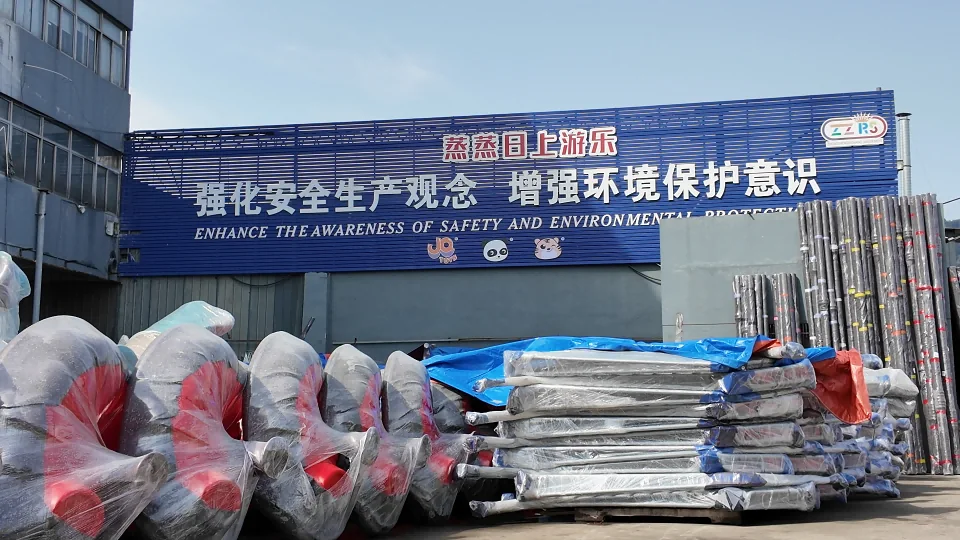
The separate playground equipment pre-shipment inspection checklist covers the final release review. The packing and shipping guide explains how package references support receiving and installation.
For a confirmed commercial playground order, ZZRS can coordinate the agreed drawing and project references, milestone updates, available production photographs or videos, inspection communication, trial-assembly evidence where included, packing information and open-item communication according to the written quotation.
The exact reporting frequency and evidence vary by product and order. Buyers should state their required milestones, reviewers, document format and shipment-release conditions before production begins. ZZRS does not present progress photographs as a substitute for project-specific inspection, testing or local acceptance.
Buyers can also review the ZZRS manufacturing and quality-control overview and confirm the applicable safety-document scope separately.
The frequency should match the order duration and decision points. Weekly updates may suit a longer order, while milestone reports may be clearer for shorter production. Agree the schedule before production begins.
Not by themselves. Photos should be dated and linked to the project, milestone, drawing revision or component group. They should be supported by quantities, records or an open-item list where relevant.
No. A percentage is meaningful only when the calculation and completed milestones are defined. Use milestone status and evidence as the primary record.
No. Agreed full or partial trial assembly can check selected factory interfaces or components. It does not replace final installation, surfacing, completed-site inspection or local acceptance.
The supplier should identify the affected milestone, cause, responsible owner, corrective action, expected closure and impact on packing or shipment. The buyer should close any required decisions promptly.
Confirm the approved order and drawings, required inspection records, quantities, closed exceptions, packing list, package codes, document register and agreed commercial release conditions.
Send ZZRS the selected equipment, project reference, required milestones, reviewer contacts, document format and target shipment schedule so the available production-reporting and evidence scope can be confirmed in the quotation.
Discuss Production and Inspection Requirements
Practical guidance from playground planning, manufacturing, delivery and completed project experience.
Factory & Production
 Buying Guide
 Buying Guide